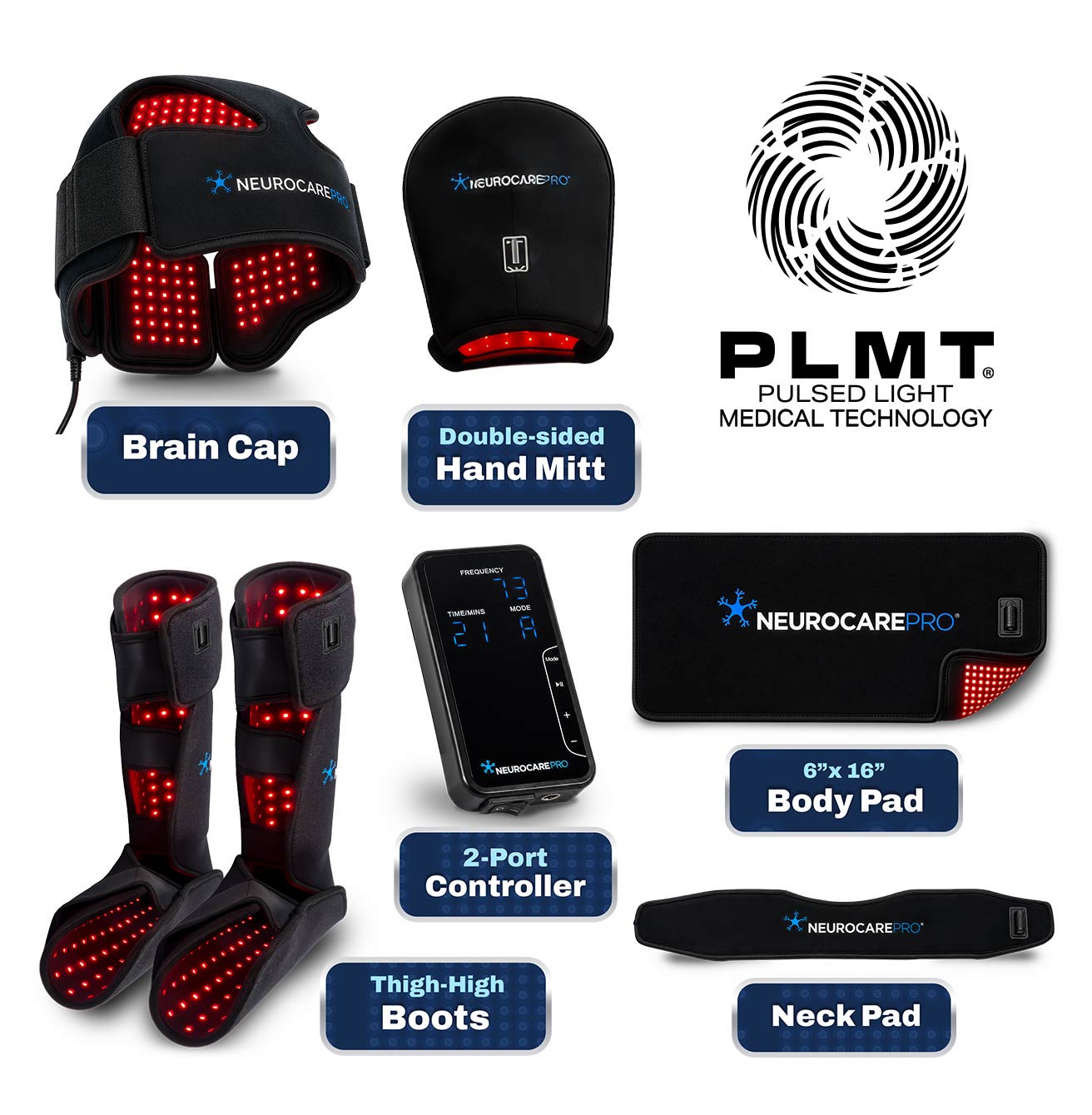
Why Choose Neurocare Pro®
Neurocare Pro® exists for both practitioners and patients who need more than cosmetic‑grade red light panels. PLMT® devices are FDA‑registered Class II medical systems specifically engineered to address a myraid of conditions including pain and inflammation control, tissue repair, circulation, and neuro‑immune balance across key care verticals:
- Brain and neurological care
- Cognitive disorders: TBI, concussion, trauma, and PTSD
- Head, neck, and spine
- Neurological Care/Peripheral neuropathy
- Orthopedic/joint
- Lumbar/sciatica pain
- Accelerated wound‑healing, surgical & accident recovery
- Neurodegenerative diseases
- Gastrointestinal and brain–gut axis support
- Weight-loss, athletic performance & recovery
- Total body wellness and regenerative medicine programs
- And more....
How Neurocare Pro® Is Different (In Plain Language)
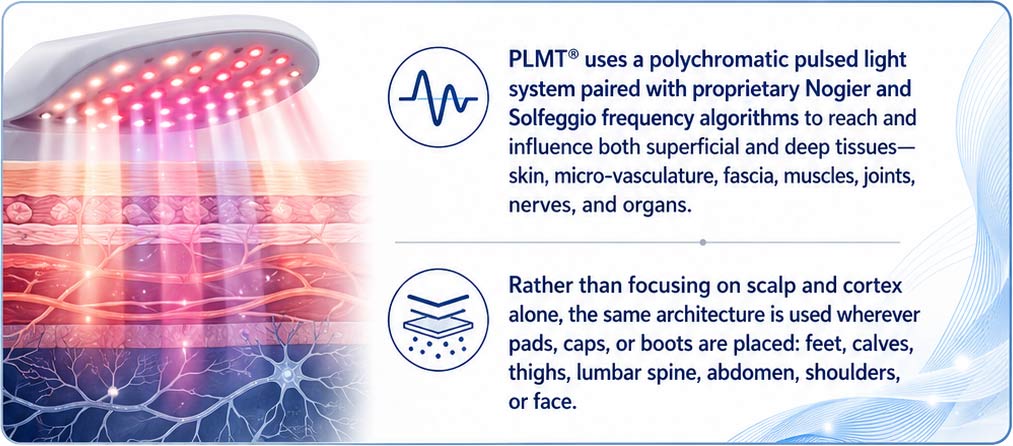
PLMT® uses a polychromatic pulsed light system paired with proprietary Nogier and Solfeggio frequency algorithms to reach and influence both superficial and deep tissues—skin, micro-vasculature, fascia, muscles, joints, nerves, and organs. Rather than focusing on “scalp and cortex” alone, the same architecture is used wherever pads, caps, or boots are placed: feet, calves, thighs, lumbar spine, abdomen, shoulders, or face.
Most stand‑alone RLT/NIR systems:
- Emit one or two continuous wavelengths over a relatively small area
- Primarily influence one dominant chromophore and pathway at a time
- May develop hot spots or uneven dosing due to older, protruding LEDs
Neurocare Pro’s PLMT® systems:
- Emit multiple synchronized red and NIR wavelengths at once (true polychromatic output)
- Use pulsed, frequency‑coded light to engage multiple biological pathways simultaneously
- Rely on flat, surface‑mounted SMD arrays for broad, uniform, non‑thermal coverage across the pad or cap surface.
- Safety and even distribution that prevent hot spots or uneven dosing.
Neurocare Pro® have care verticals for:
- A brain and neuro‑support system
- A spine and joint recovery tool
- A peripheral neuropathy and vascular support system
- An accelerated wound‑healing, surgical recovery and skin restoration solution
- A whole‑body metabolic and performance enhancer
What PLMT® Does Inside the Body
1. Mitochondria and ATP Production
Across the body—whether in brain cells, joint cartilage, muscle fibers, or skin—PLMT® targets mitochondrial cytochrome‑c oxidase (Cox), a light‑sensitive enzyme critical for ATP production and oxygen metabolism. When red and NIR light are delivered in carefully pulsed, multi‑wavelength patterns, several parts of the electron transport chain are stimulated together that:
- Increases mitochondrial membrane potential
- Boosts ATP synthesis (cellular energy)
- Reduces excessive reactive oxygen species
More ATP means:
- Faster muscle and joint repair
- Quicker recovery from injury or surgery
- Better nerve function and resilience
- Improved skin and connective tissue remodeling
2. Deep Vasodilation and Microcirculation
A hallmark of PLMT® is deep, endothelial‑mediated vasodilation. Pulsed NIR frequencies stimulate endothelial nitric oxide synthase (eNOS), driving nitric oxide (NO) release, relaxing blood vessels, and expanding microcirculation in treated areas.
This deep vasodilation:
- Increases oxygen and nutrient delivery several centimeters into tissue
- Clears metabolic waste and inflammatory byproducts more efficiently
- Supports not only local tissue but also systemic vascular health
Applied to the brain, this supports neurovascular coupling and cognition; applied to the lumbar spine or knees, it supports pain relief and functional recovery; applied to feet and legs, it supports neuropathy care and vascular health; applied to wounds and skin, it improves oxygenation and tissue quality.
3. Inflammation, Oxidative Stress, and Tissue Protection
Chronic inflammation and oxidative stress drive pain, degeneration, and slow healing in joints, nerves, spine, skin, and internal organs. PBM research shows that properly dosed red and NIR light can:
- Reduce pro‑inflammatory cytokines (e.g., TNF‑α, IL‑1β, IL‑6)
- Support anti‑inflammatory mediators and immune balance
- Upregulate antioxidant enzymes like superoxide dismutase and glutathione peroxidase.
PLMT® leverages these effects body‑wide, helping to:
- Protect neurons and peripheral nerves
- Preserve joint cartilage and connective tissue
- Support faster wound closure and improved scar quality
- Calm chronic inflammatory pain in back, neck, and muscles
Frequency Intelligence: Nogier + Solfeggio (Beyond “Just Light”)
Unlike basic devices that simply flicker at a single duty cycle, Neurocare Pro builds Nogier and Solfeggio frequency families into its pulse algorithms:
- Solfeggio‑derived frequencies (e.g., 396 Hz, 528 Hz, 639 Hz) are selected for their relationships to cellular repair, stress modulation, and connectivity; these are applied to support emotional balance, systemic healing, and brain–body coherence.
- Nogier‑derived frequencies (e.g., 73 Hz, 146 Hz, 584 Hz, 1178 Hz) come from neuromuscular and autonomic regulation models and are used to influence neural repair, inflammation, cortical balance, and neurovascular function.
These frequency “signatures” are embedded into the pulsed light delivered to any region: brain, spine, joints, abdomen, or extremities. The intent is to:
- Encourage neural oscillation and brain‑wave synchronization
- Improve heart rate variability (HRV) and autonomic nervous system balance
- Fine‑tune vascular tone, supporting deep vasodilation and stable blood flow
- Enhance cellular communication via calcium channels and membrane dynamics
NeurocarePro PLMT®: Technology Advancements
NeurocarePro’s Pulsed Light Medical Technology® (PLMT) substantially outperforms average RLT/NIR systems in several critical domains:
- Spectral and Frequency Diversity: Employing polychromatic, frequency-tuned light (Nogier, Solfeggio) excites multiple cellular targets simultaneously—mitochondria, ion channels, and cell membrane receptors—amplifying tissue oxygenation, ATP synthesis, and NO-mediated vasodilation.
- SMD Web-Based Diode Arrays: Proprietary triple-chip SMD arrays deliver uniform, broad-coverage irradiation at low thermal load, expanding the treatable area and depth without compromising safety.
- Neurovascular Integration: Hamblin and Henderson/Morries demonstrated that frequency-coded NIR pulses (similar to PLMT™) especially benefit cerebral oxygenation, mitochondrial respiration, and neuroplasticity, enhancing cognitive outcomes even in advanced neurodegenerative disease.
- Clinical Translation: Controlled studies with PLMT™ modalities report marked improvements in executive function, fine motor control, sleep quality, and mood stability versus standard PBM, attributable to the system’s integrated approach to neurovascular harmonization and cellular recovery.
PLMT® Advanced PBM vs. Standard PBM Systems
| Feature | Neurocare Pro’s PLMT™ Advanced PBM Systems |
Standard RLT/NIR Systems |
|---|---|---|
| Wavelengths | Multi-spectral, polychromatic delivery (RLT & NIR) | Mono-spectral, Single/alternating monochromatic delivery |
| Pulse/Frequency | Frequency modulated (Nogier, Solfeggio: 1-9999Hz) | Continuous, repetitive laser (or through-hole) diode |
| Coverage | Broad-area, versatile, SMD LED pads | Focused, narrow beams |
| Thermal Profile | Cool, non-thermal | Occasional localized heating |
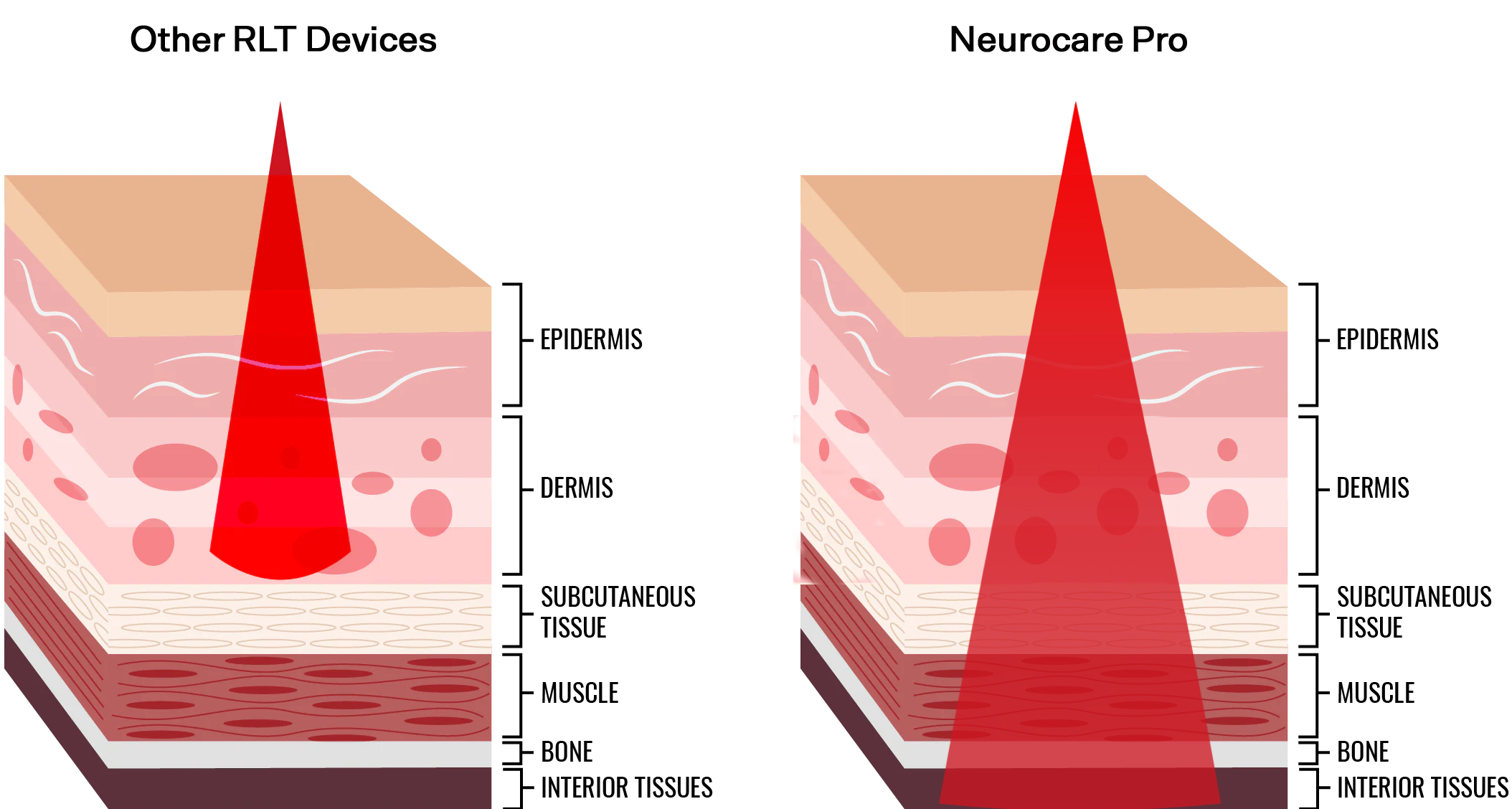
| Penetration | Enhanced vasodilation; deeper | Limited, shallow stimulation |
| Regenerative Effect | Systemic, multi-pathway | Local, Symptom-targeted |
Hardware Advantage: Why SMD Matters Everywhere
Neurocare Pro’s SMD (Surface Mounted Diode) architecture is not just a design choice; it’s a clinical advantage for all body regions:
- 120‑degree beam angle creates wide, overlapping coverage that wraps around curved anatomy such as knees, ankles, calves, thighs, shoulders, and the head.
- Multi‑wavelength chipsets eliminate “dead zones” and single‑frequency gaps, so every part of a pad or cap delivers the full therapeutic spectrum.
- Cool, low‑profile diodes increase comfort and usability—no protruding LEDs digging into skin, especially important for neuropathy boots, thigh/calf wraps, and full‑body mats.
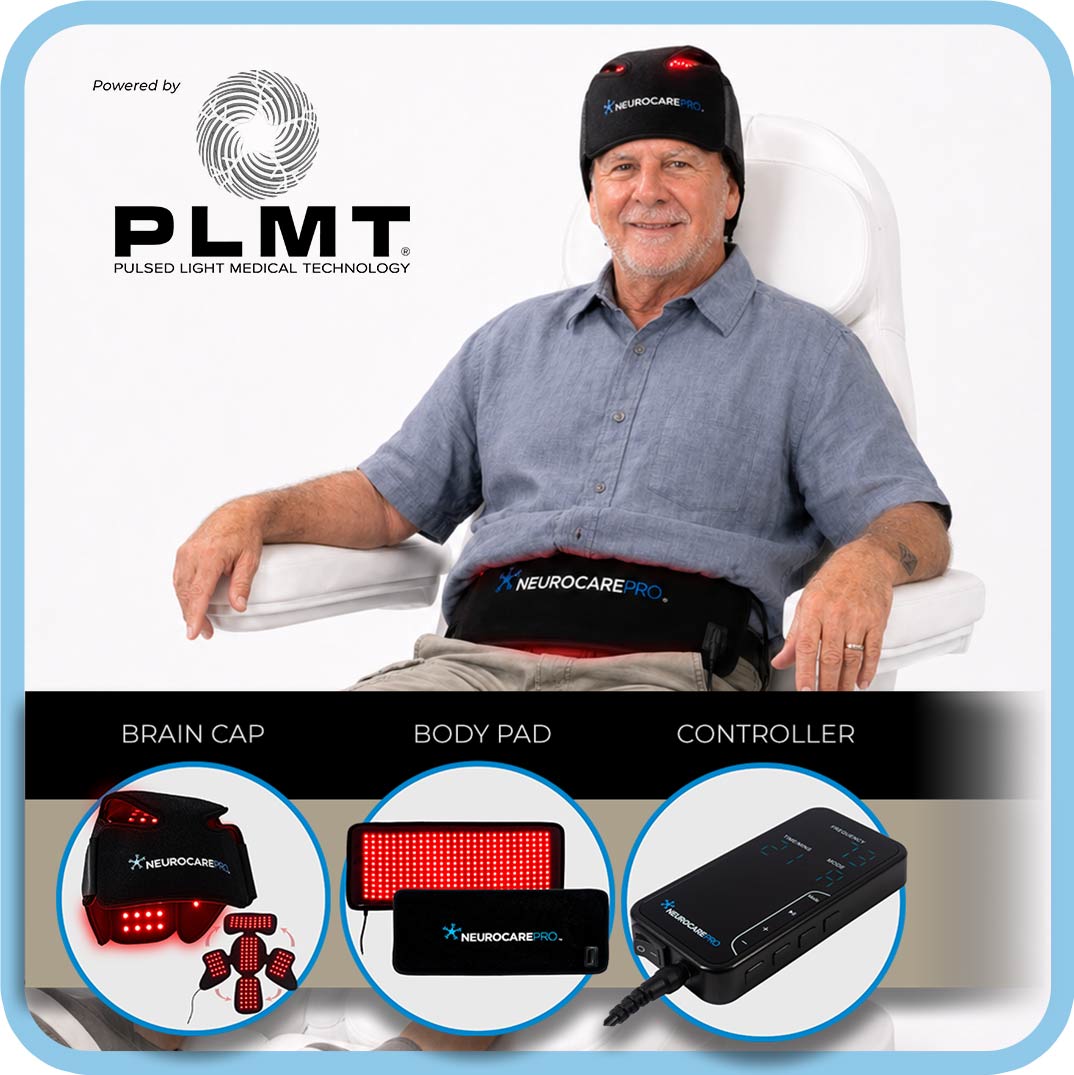
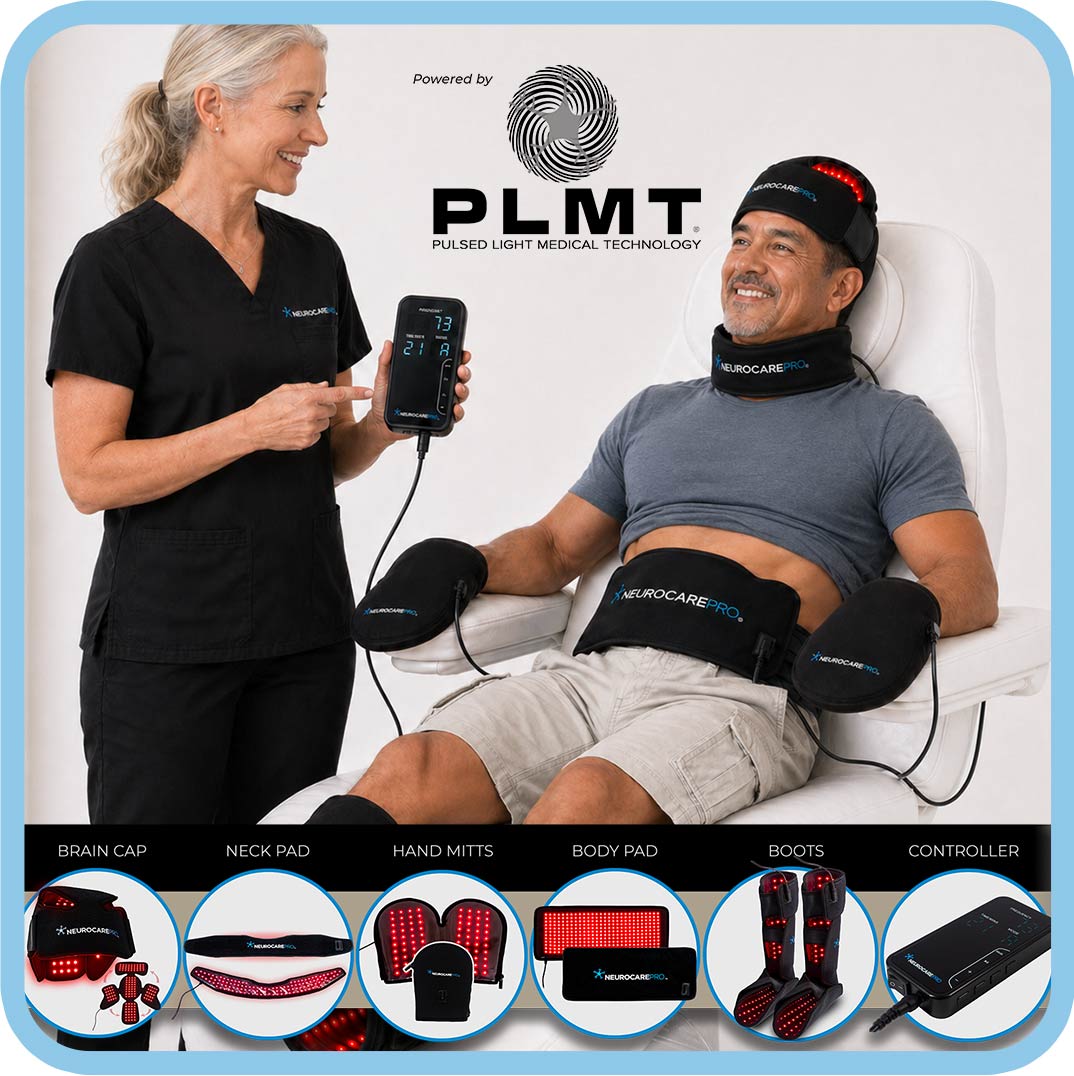
For practitioners, this means faster set‑up and more consistent dosing; for patients, it means they can actually relax into treatment—whether they are wearing a brain cap, lying on a full‑body mat, or using boots and leg wraps for neuropathy or circulation support.
Integrating PLMT® Into Real‑World Care
Because PLMT™ supports core processes—mitochondrial energy, microcirculation, inflammation control, and oxidative stress resilience—it fits naturally alongside existing treatments:
- Brain and neuro care: cognitive support, mood, sleep, post‑concussion, and neurodegenerative support.
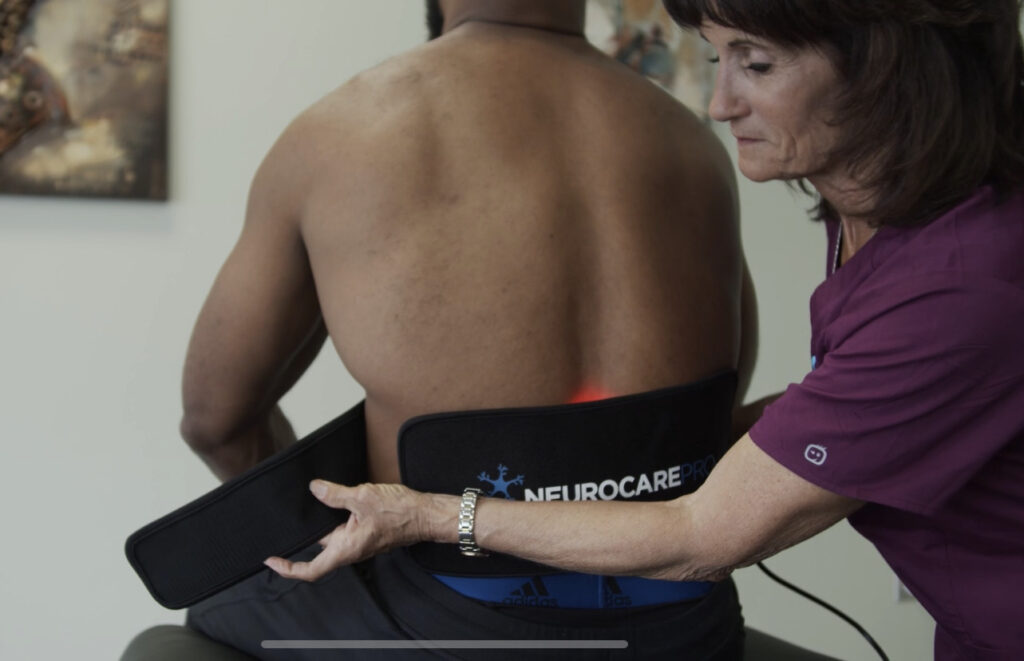
- Spine and joint care: disc and facet pain, arthritis, muscle recovery, sports and rehab.
- Peripheral neuropathy and vascular issues: pain, numbness, tingling, and circulation in hands and feet.
- Wound‑healing, surgical recovery and skin rejuvenation: surgical recovery, chronic wounds, wrinkles, and scar remodeling.
- Total Body Well-ness and Care - drug-free pain management, vagus nerve stimulation, cellular regeneration, weight-loss, and more
Clinicians gain a versatile, evidence‑aligned tool they can deploy across many programs, and patients gain a single, understandable concept: “smart, pulsed light for whole‑body repair.”
Clinical and Home Application: Safety and Usability
NeurocarePro’s PLMT™ therapy systems are engineered for clinical and home use, boasting:
- Non-invasive, non-thermal delivery for safety across age groups.
- User-friendly hardware facilitating high patient compliance and easy integration into care pathways.
- No reported adverse effects after extensive hospital use.
Explore NeurocarePro® Systems and Care Verticals
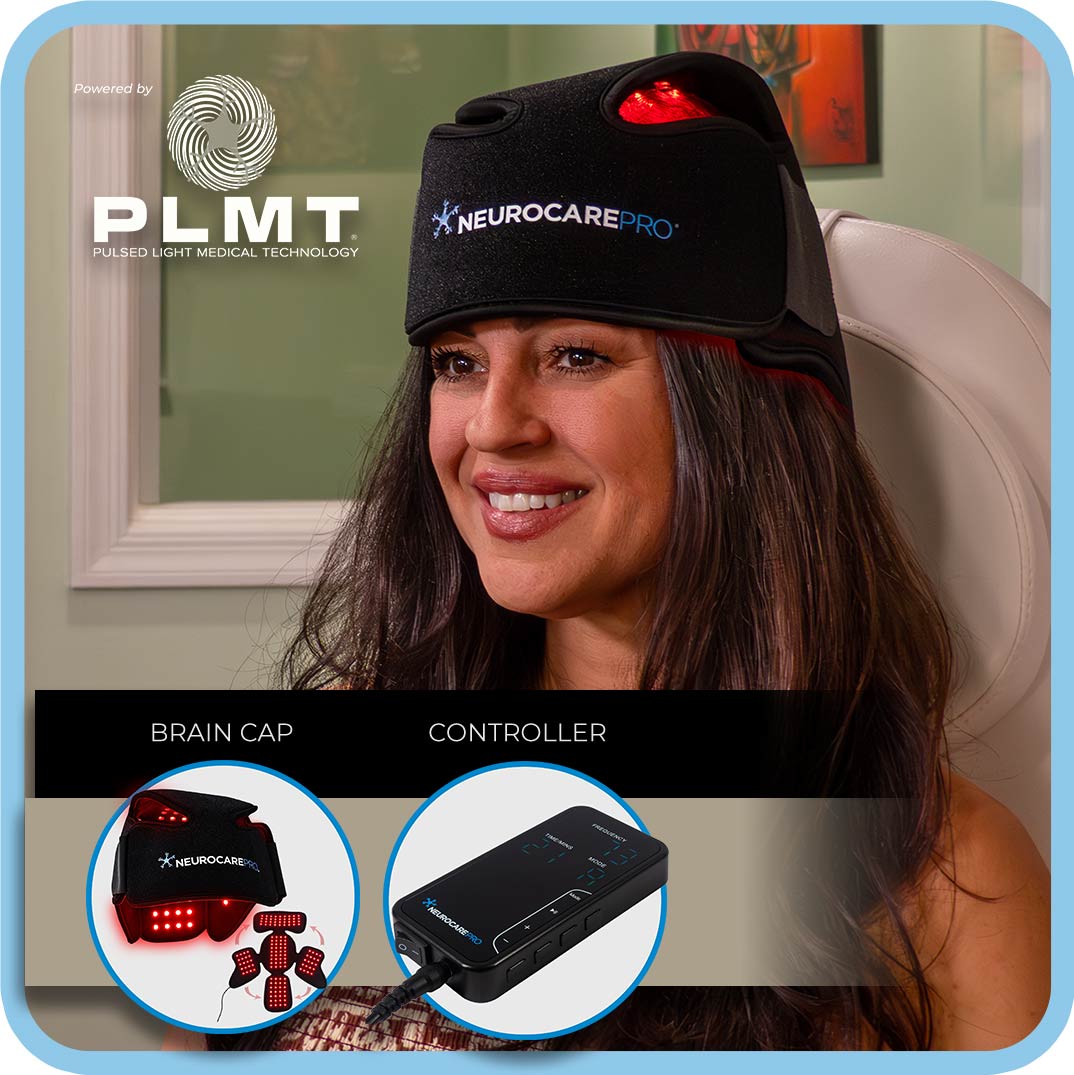
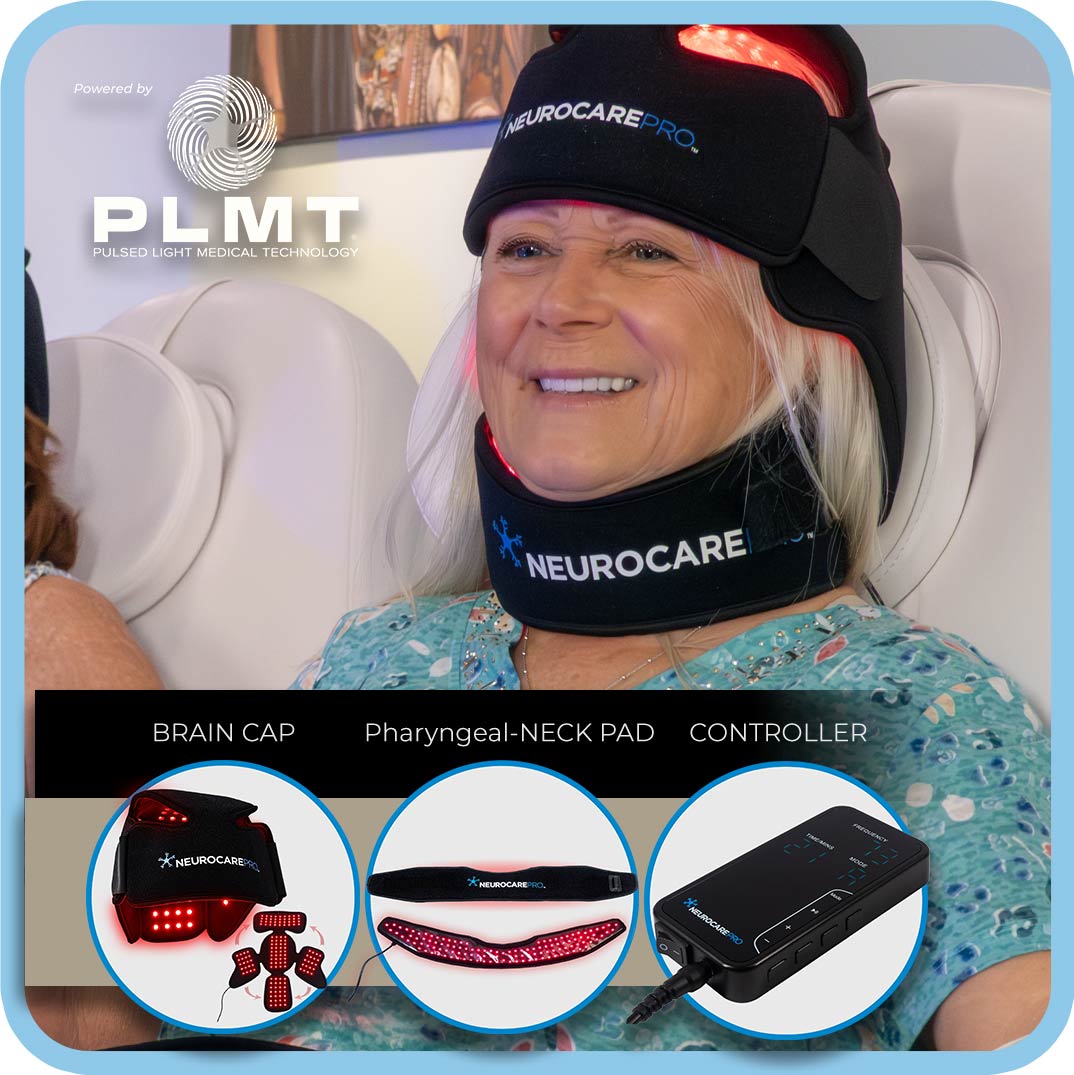
View our full range of clinically validated PLMT® care vertical systems developed for cerebral, neurological, orthopedic, accelerated wound-healing, pain management and versatile applications. Each system is designed to deliver cutting-edge results and measurable improvements for practitioners and patients alike. NeurocarePro® makes personalized, evidence-based therapeutic solutions accessible to every care setting, elevating patient health and clinical excellence.
Recommended Systems:
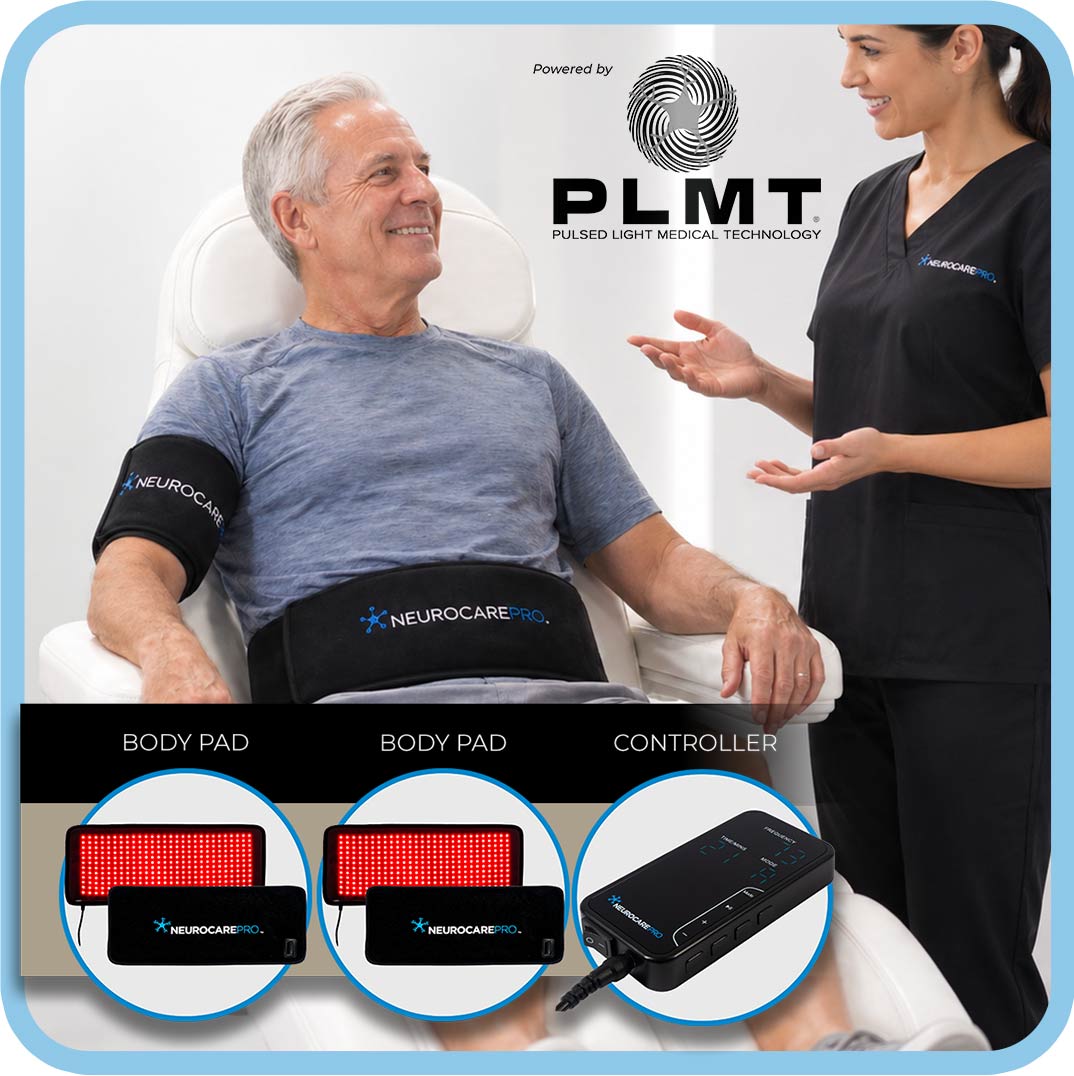
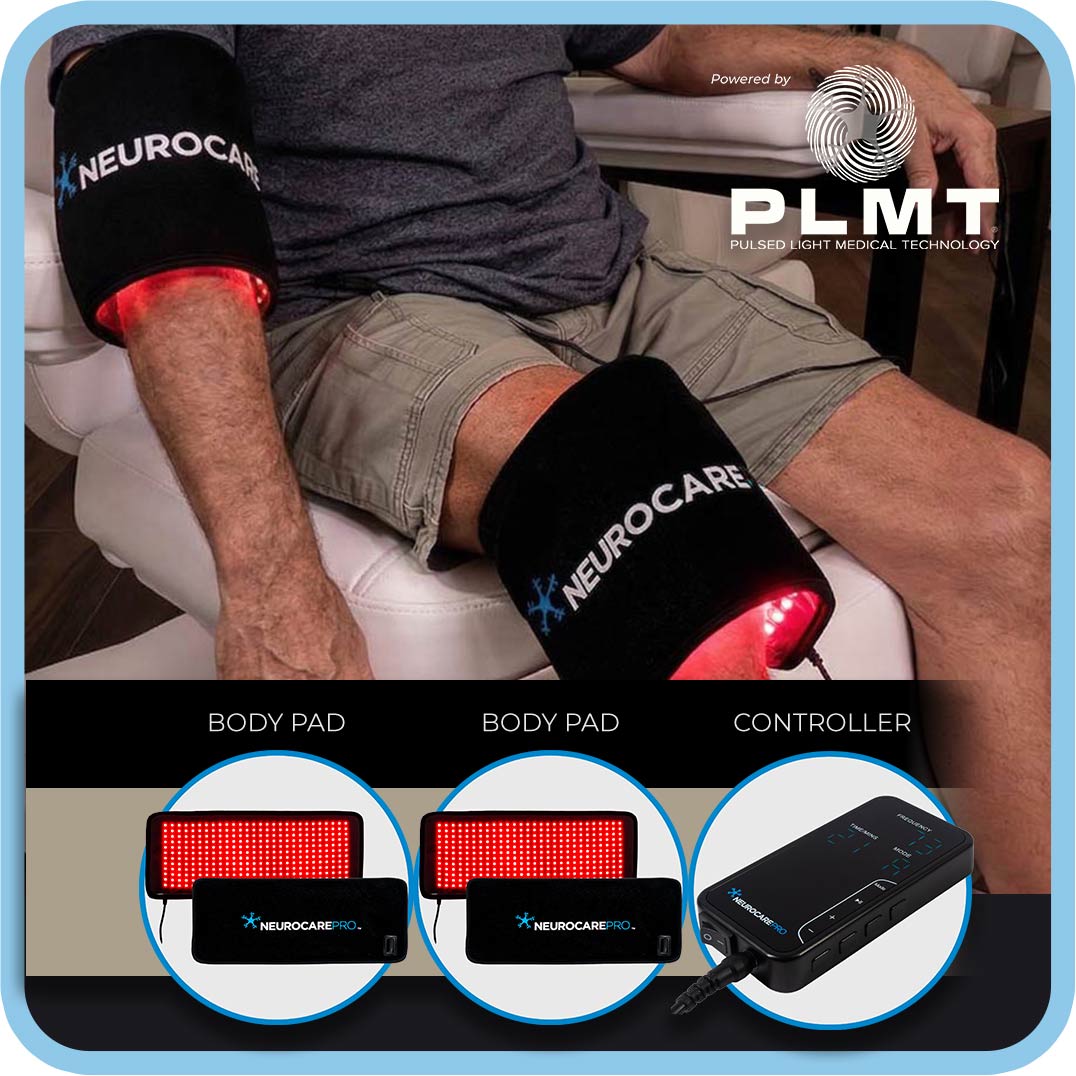
References and Further Reading:
- Fekrazad, R., et al. “Effect of Photobiomodulation on Mesenchymal Stem Cells.” Photomedicine and Laser Surgery, vol. 34, no. 11, 2016, pp. 533-542.
- Ma, C., Ye, Y., Shi, X., et al. “Photobiomodulation Promotes Osteogenic Differentiation of Mesenchymal Stem Cells and Increases P-Akt Levels In Vitro.” Scientific Reports, vol. 15, 2025, p. 17844.
- “Photobiomodulation for Stem Cell Modulation and Regenerative Medicine.” WALT Position Paper, 2025.
- Mulaudzi, P. E., Abrahamse, H., and Crous, A. “Impact of Photobiomodulation on Neural Embryoid Body Formation from Immortalized Adipose-Derived Stem Cells.” Stem Cell Research & Therapy, vol. 15, 2024, p. 489.
- Ebrahimpour-Malekshah, R., et al. “Combined Therapy of Photobiomodulation and Adipose-Derived Stem Cells Synergistically Improve Healing in an Ischemic, Infected, and Delayed Healing Wound Model in Rats with Type 1 Diabetes Mellitus.” BMJ Open Diabetes Research & Care, vol. 8, no. 1, 2020, e001033.
- Harrington, Phil. “Synergistic Effects of Photobiomodulation and Stem Cell Therapy: Clinical Applications and Outcomes for Medical Doctors.”
“Photobiomodulation Dose–Response on Adipose-Derived Stem Cell Osteogenesis in 3D Cultures.” International Journal of Molecular Sciences, vol. 25, no. 17, 2025, p. 9176. - Abrahamse, H., and Crous, A. “Photobiomodulation Effects on Neuronal Transdifferentiation of Immortalized Adipose-Derived Mesenchymal Stem Cells.” Lasers in Medical Science, vol. 39, 2024, p. 257.
- “The Science Behind Red Light Therapy and Stem Cell Production.” Deeply Vital Medical.
- Khorsandi, K., et al. “Biological Responses of Stem Cells to Photobiomodulation Therapy.” Current Stem Cell Research & Therapy, vol. 15, no. 5, 2020, pp. 400-413.
- Tang, Luyao, et al. “Effects of Pulsed Red and Near-Infrared Light on Neuroblastoma Cells—Pilot Study on Frequency and Duty Cycle.” Photonics, vol. 10, 2023, p. 315.
Additional Sources:
- https://pubmed.ncbi.nlm.nih.gov/40403870/
- https://drphilharrington.com/my-laser-articles/synergistic-effects-of-photobiomodulation-and-stem-cell-therapy-clinical-applications-and-outcomes-for-medical-doctors
- https://drc.bmj.com/content/8/1/e001033
- https://www.sciencedirect.com/science/article/pii/S1572100025007690
- https://pmc.ncbi.nlm.nih.gov/articles/PMC7206914/
- https://journals.sagepub.com/doi/10.1089/pho.2015.4029?int.sj-abstract.similar-articles.10
- https://www.jkslms.or.kr/journal/download_pdf.php?doi=10.25289%2FML.2022.11.3.134
- https://pmc.ncbi.nlm.nih.gov/articles/PMC6983866/
- https://pubmed.ncbi.nlm.nih.gov/37243832/
- https://onlinelibrary.wiley.com/doi/full/10.1002/INMD.20240013
- https://www.mcgill.ca/oss/article/medical-critical-thinking/hype-around-photobiomodulation
- https://www.jkslms.or.kr/journal/view.html?uid=202&vmd=Full